









- Feb 9, 2025
- 90
- 2

What Is Testosterone & Why It Matters 🧬
First, understand that testosterone is a hormone produced mainly in the testicles (and, to a lesser extent, in the adrenal glands). Consequently, it drives muscle mass 💪, libido ❤️, energy ⚡, mood 😊, bone density 🦴, red‑blood‑cell production 🩸, and fat distribution 🍔. When a clinician measures levels that fall below the healthy range and the patient reports symptoms, the doctor may diagnose hypogonadism or testosterone deficiency and then consider TRT‑Testosterone Replacement Therapy.
What Is TRT?
TRT is a medical protocol that raises testosterone to a normal physiological range in men who have been diagnosed with deficiency. Importantly, the goal is restoration—not excess. Therefore, doctors prescribe TRT only after completing a clinical evaluation, confirming lab results, and establishing a formal diagnosis. Ongoing supervision ensures safety and effectiveness.Common Symptoms of Low Testosterone
People with low testosterone often notice:- Decreased libido and sexual drive
- Erectile dysfunction
- Persistent fatigue
- Mood swings or depressive feelings
- Loss of muscle bulk
- Increasing body fat
- Brain fog and reduced exercise performance
- Fewer morning erections
Causes of Low Testosterone
Several factors can lower testosterone, including:- Natural aging
- Genetic predisposition
- Testicular injury or disease
- Pituitary or hypothalamic dysfunction
- Chronic illnesses such as diabetes or obesity
- Certain medications (e.g., opioids, steroids)
- Chronic stress, poor sleep, or excessive training
Forms of TRT
Injectable Testosterone 💉
Self‑administration – All injectable forms listed can be given by the patient at home after a brief training session with a clinician (in‑office demonstration, video tutorial, and written hand‑out). Patients should keep the medication refrigerated, use a new sterile needle/syringe for each dose, rotate injection sites, and dispose of sharps in a puncture‑proof container.Short‑acting injectables – testosterone enanthate or cypionate
- Typical dose: 50 – 200 mg administered IM or SUBQ every 1–2 weeks.
- Common starting regimen: 100 mg once a week (or two × 50 mg doses).
| Route | Needle size* | Injection site | Self‑administration tip |
|---|---|---|---|
| IM | 20 – 22 G, 1 – 1½ in (25 – 38 mm) | Gluteus maximus (upper outer quadrant) or vastus lateralis (mid‑thigh) | Pinch the muscle, insert needle at a 90° angle, aspirate (optional), inject slowly, withdraw, apply pressure. |
| SUBQ | 23‑25 G, ½ in (≈ 12 mm) | Abdomen (2‑3 in away from navel), upper outer thigh, or upper arm | Pinch a fold of skin, insert needle at a 45°–90° angle (most people use 45°), inject the entire volume, release the skin fold, apply gentle pressure. |
- Why choose SUBQ? Smaller needle, less pain, easier for patients with limited mobility, and a flatter pharmacokinetic curve (fewer peaks/troughs) for many users.
- Dose adjustment: Because SUBQ absorption is slightly slower, some clinicians start with the same mg dose as IM but may fine‑tune after the first lab check (3–4 weeks).
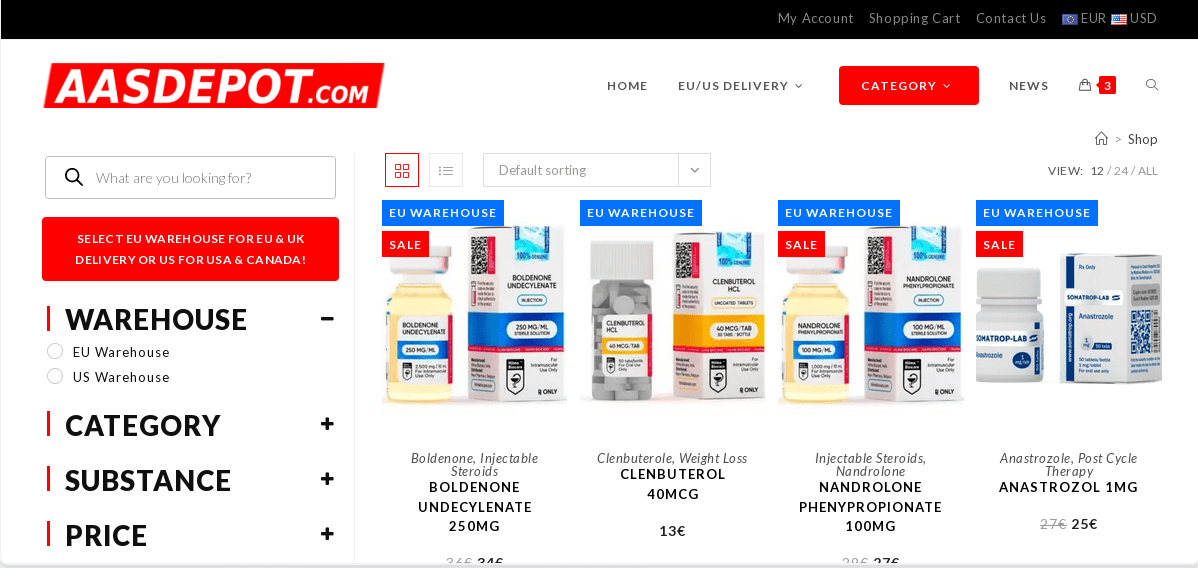
Testosterone Enanthate – Get Best Prices & Fast Shipping 💊
Testosterone Enanthate! Buy today from our extensive range of PEDs! Fast shipping and top-quality products ensure you receive only the best. 🛒
 aasdepot.com
Testosterone Cypionate – Get Best Prices & Fast Shipping 💊
Testosterone Cypionate! Buy today from our extensive range of PEDs! Fast shipping and top-quality products ensure you receive only the best. 🛒
aasdepot.com
Long‑acting injectables – testosterone undecanoate
- Loading phase: 750 mg at week 0 and week 6, then 750 mg every 10 weeks.
- SUBQ version: Same dosing schedule, administered SUBQ instead of IM.
| Route | Needle size* | Injection site | Self‑administration tip |
|---|---|---|---|
| IM | 20 – 22 G, 1 – 1½ in (25 – 38 mm) | Gluteus maximus (upper outer quadrant) | Larger volume; ensure a firm grip and a 90° angle. |
| SUBQ | 23‑25 G, ½ in | Upper outer thigh or abdomen (2‑3 in from navel) | Use a 45° angle, pinch skin, inject slowly to avoid discomfort. |
- Advantages of SUBQ for undecanoate: No deep‑muscle needle, less risk of hitting sciatic nerve, and many patients report less post‑injection soreness.
- Storage tip: Keep the vial refrigerated; bring it to room temperature for ~15 minutes before drawing up the dose to reduce viscosity.
Buy Testosterone Undecanoate Products Today! 🔥
Buy Testosterone Undecanoate products from market-leading brands at the best prices! Enjoy secure online ordering and fast worldwide shipping. 🌍
aasdepot.com
Sustanon – testosterone mix
- Composition: Blend of four esters (propionate, phenylpropionate, isocaproate, decanoate).
- Typical dosing: 250 mg IM every 3 weeks (some clinicians use 200 mg every 2 weeks).
| Route | Needle size* | Injection site | Self‑administration tip |
|---|---|---|---|
| IM | 20 – 22 G, 1 – 1½ in (25 – 38 mm) | Gluteus maximus (upper outer quadrant) | Same technique as other IM injections. |
| SUBQ | 23‑25 G, ½ in | Abdomen (2‑3 in from navel) or upper outer thigh | Pinch skin, insert at 45°, inject slowly; because the volume is moderate, a ½‑in needle is sufficient. |
Why some patients prefer SUBQ for Sustanon: The mixed‑ester formulation still provides an early rise (from propionate) plus a longer tail (from decanoate). Delivering it SUBQ can smooth out the early peak, making mood and energy levels feel more stable.
Buy Sustanon Products Today! 🔥
Buy Sustanon products from market-leading brands at the best prices! Enjoy secure online ordering and fast worldwide shipping. 🌍
aasdepot.com
Tip: Whichever injectable you choose, regular blood‑work (total/free testosterone, estradiol, hematocrit, PSA, etc.) every 3–6 months (or sooner after any dose change) is essential to keep levels within the physiological range and to catch side‑effects early. *Needle sizes are typical recommendations; clinicians may adjust based on patient comfort, body habitus, and specific product volume.
Topical Gels and Creams
Apply a standard 1 % gel (5–10 g daily, delivering ≈50–100 mg testosterone). Adjust the amount in 2.5 g increments based on laboratory feedback.Transdermal Patches
Place a 4 mg/day patch each night. If labs indicate insufficient levels, some patients use two patches (8 mg/day).Subcutaneous Pellets
Insert 75 mg pellets (4–6 pieces) under the skin every 3–6 months, providing roughly 150 mg/month of continuous release.Oral Testosterone 💊
Take undecanoate capsules (200–400 mg) twice daily with a fatty meal; then titrate to achieve target serum concentrations.Benefits of Clinically Guided TRT ✅
When physicians tailor TRT correctly, patients typically experience:- 🔥 Reignited libido and sexual confidence
- ⚡ Higher daily energy and stamina
- 💪 Greater lean‑muscle mass
- 🏃♂️ Improved body composition (more muscle, less fat)
- 😊 Better mood, reduced irritability, sharper focus
- 🦴 Stronger bones, lowering fracture risk
- 🩸 Optimized red‑blood‑cell count (under regular monitoring)
Potential Risks & Side Effects
TRT can cause:- Acne or oily skin
- Elevated hematocrit (erythrocytosis)
- Reduced natural sperm production (fertility concerns)
- Fluid retention
- Gynecomastia
- Worsening of sleep apnea in susceptible individuals
- Altered lipid profile
- Prostate‑related changes requiring PSA monitoring
Required Monitoring During TRT
Physicians typically track the following every 3–6 months (or sooner after dose changes):- Total and free testosterone
- Estradiol (E2)
- Complete blood count (hematocrit & hemoglobin)
- PSA (prostate‑specific antigen)
- Liver enzymes and lipid panel
- Symptom diary and overall well‑being
Lifestyle Factors That Support Healthy Testosterone
Even with TRT, lifestyle choices matter. Therefore, encourage patients to:- Perform resistance training 🏋️♂️
- Maintain a healthy body‑fat percentage ⚖️
- Get 7–9 hours of quality sleep each night 😴
- Manage stress through mindfulness or yoga 🧘♀️
- Eat nutrient‑dense foods rich in zinc, magnesium, and healthy fats 🍳🥑
- Limit excessive alcohol consumption 🍷
Who Should Not Use TRT
Avoid TRT in individuals with:- Untreated prostate or breast cancer
- Significantly elevated hematocrit
- Severe, untreated sleep apnea
- Active fertility plans (unless combined with protective strategies)
TRT vs. “Performance Enhancement”
Remember, TRT restores normal hormone levels; it differs from supraphysiologic anabolic‑steroid cycles used for bodybuilding. Using testosterone without a medical indication poses serious health risks.Summary
In short, TRT offers a proven, evidence‑based solution for clinically diagnosed testosterone deficiency. It improves quality of life when clinicians evaluate accurately, dose precisely, and monitor continuously. Moreover, TRT works best alongside healthy lifestyle habits.AASDEPOT: Your TRT Destination 🛒
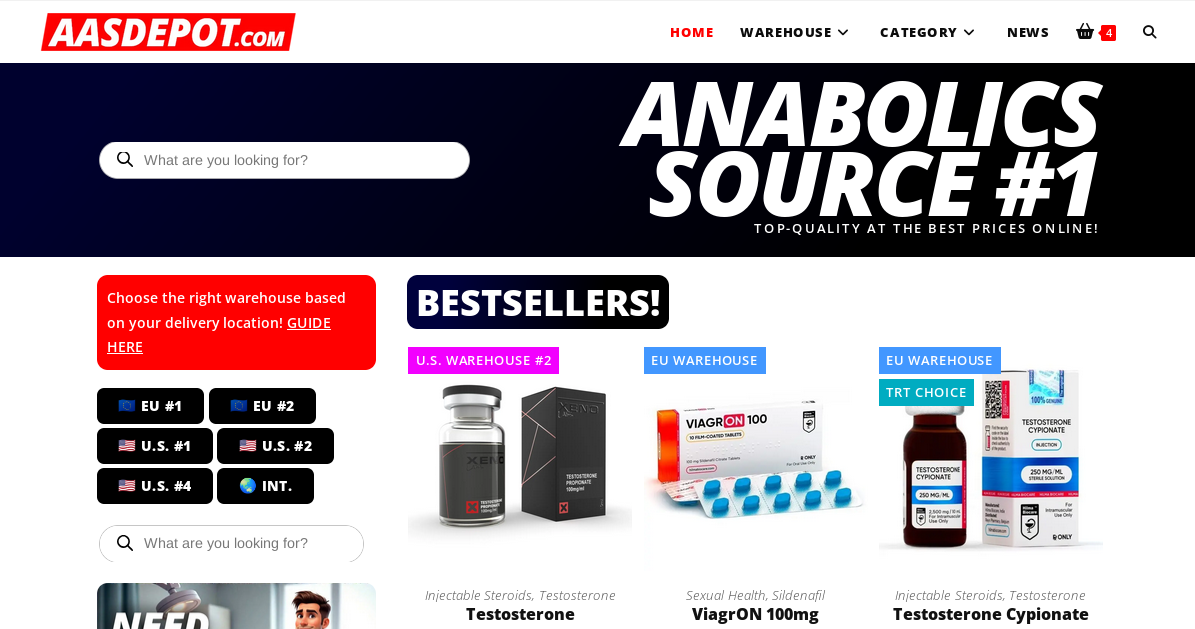
We’ve assembled a complete selection of TRT‑ready products so you can start—or continue—therapy with confidence.To make shopping effortless, we label every legitimate testosterone item with “TRT Choice.” This badge guarantees that each product meets our rigorous quality standards, originates from reputable manufacturers, and is suitable for medically guided TRT use. ✅
Feel free to explore the TRT Choice collection. Our team stands ready to support you on your path to better health and life. 💪😊
TRT Choice – Get Best Prices & Fast Shipping 💊
TRT Choice! Buy today from our extensive range of PEDs! Fast shipping and top-quality products ensure you receive only the best. 🛒
aasdepot.com
Last edited:
