
rockzavin
Super Moderator
- May 16, 2024
- 323
- 27
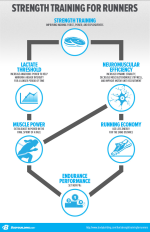
Strength training is a key to long-distance running. While endurance workouts build cardiovascular fitness, strength exercises increase muscle power, speed up running, and decrease injury risk. Marathon runners who include strength training in their schedules report better balance and posture and better performance.
Strength training also helps prevent injuries. Repetitive motion and muscle imbalances cause overuse injuries in long-distance runners. Core strengthening helps with joint stability and reduces the risk of shin splints, runner's knee, and Achilles tendinitis.
Runners must balance strength and endurance training. Scheduled strength sessions on non-intensive running days allow maximal recovery without compromising running performance.
For long runs, runners need a strong core - abdominal muscles, obliques, and lower back. Core strengthening also improves running efficiency and decreases fatigue.

Running involves the lower body, but shoulders and arms help with form. A strong upper body allows efficient movements and avoids calorie excess expenditure.
Runners should schedule strength workouts on low-intensity running days or after shorter runs. Avoiding heavy lifting before intense running sessions ensures proper recovery and peak performance on key running days.
Strength workouts should complement, rather than compete with, endurance sessions to prevent overtraining. Prioritizing compound movements and limiting session duration to 30–45 minutes ensures a balanced approach.

For runners wanting more strength, free weights and resistance machines build muscle endurance and power. Moderate resistance at higher reps (10-15 reps per set) is ideal.
Resistance bands provide comfortable resistance for dynamic movements and activation exercises. Weights target particular muscle groups and increase muscular endurance.
Small stabilizing muscles maintain alignment. Single-leg balances, lateral lunges, and resistance band work strengthen these muscles and reduce injury risk.
Progress requires long-term recovery after a workout. Foam rolling loosens muscles, stretching keeps flexibility, and proper nutrition re-stocks glycogen and supports muscle repair.
For beginners, start with body weights and add weights as strength builds. Experienced runners can increase resistance or add plyometric drills for extra power and endurance. During tapering, runners should reduce strength training volume while keeping their muscles active.
Strength training enhances running efficiency by increasing muscle power, reducing fatigue, and improving stride mechanics.
Can strength training prevent injuries in long-distance runners?
Yes, strengthening key muscle groups and stabilizers reduces the risk of overuse injuries by improving joint stability and muscular balance.
Should runners focus on high reps or heavy weights?
Runners benefit most from moderate resistance with higher repetitions (10–15 reps per set) to build muscular endurance without excessive bulk.
Why Strength Training is Essential for Long-Distance Runners
Strength training improves the running economy. Stronger muscles generate more power with every step to improve propulsion and reduce energy expenditure over long distances. It increases endurance and race performance.Strength training also helps prevent injuries. Repetitive motion and muscle imbalances cause overuse injuries in long-distance runners. Core strengthening helps with joint stability and reduces the risk of shin splints, runner's knee, and Achilles tendinitis.
Runners must balance strength and endurance training. Scheduled strength sessions on non-intensive running days allow maximal recovery without compromising running performance.
Key Muscle Groups for Marathon Runners
Runners mostly use the quadriceps, hamstrings, calves, and glutes for propulsion and stability. Stiffened calf and oblique muscles increase running power and decrease joint load.For long runs, runners need a strong core - abdominal muscles, obliques, and lower back. Core strengthening also improves running efficiency and decreases fatigue.
Running involves the lower body, but shoulders and arms help with form. A strong upper body allows efficient movements and avoids calorie excess expenditure.
Best Strength Training Exercises for Runners
Squats and Lunges
It combines exercises that build lower-body strength, power, and balance. Variations like single-leg squats and walking lunges correct muscular imbalances.Deadlifts
This exercise strengthens the posterior chain for better running form and prevents common injuries.Calf Raises
The strong calves prevent shin splints and Achilles tendonitis. Single-leg calf raises increase ankle stability and endurance.Planks and Russian Twists
Core exercises improve running position and stability. Planks target deep core muscles, and Russian twists increase rotational strength and control.Resistance Band Exercises
Resistance bands stimulate small stabilizer muscles to increase joint stability and decrease injury risk. Runners will appreciate lateral band walks and hip abductions.Strength Training Frequency & Workout Structure
Most long-distance runners benefit from two to three strength training sessions per week. This frequency provides sufficient strength gains without interfering with running performance.Runners should schedule strength workouts on low-intensity running days or after shorter runs. Avoiding heavy lifting before intense running sessions ensures proper recovery and peak performance on key running days.
Strength workouts should complement, rather than compete with, endurance sessions to prevent overtraining. Prioritizing compound movements and limiting session duration to 30–45 minutes ensures a balanced approach.
Bodyweight vs. Gym-Based Strength Training
Bodyweight exercises use little equipment. They increase functional strength while keeping runners consistent in training.For runners wanting more strength, free weights and resistance machines build muscle endurance and power. Moderate resistance at higher reps (10-15 reps per set) is ideal.
Resistance bands provide comfortable resistance for dynamic movements and activation exercises. Weights target particular muscle groups and increase muscular endurance.
Injury Prevention & Recovery Strategies
Dynamic stretching and flexibility exercises prevent stiffness and increase range of motion. Regular stretching before and after runs reduces muscle tightness and strains.Small stabilizing muscles maintain alignment. Single-leg balances, lateral lunges, and resistance band work strengthen these muscles and reduce injury risk.
Progress requires long-term recovery after a workout. Foam rolling loosens muscles, stretching keeps flexibility, and proper nutrition re-stocks glycogen and supports muscle repair.
Sample Weekly Strength Training Plan for Marathon Runners
Examples of a running and strength session schedule:- Sunday: Relaxed run + Core and body weight workouts.
- Monday: Interval run/Lower body strength session.
- Tuesday: Recovery run + Mobility work.
- Wednesday: Tempo run + Upper and core strength training.
- Thursday: Rest or cross-training
- Friday: Long run
- Saturday: Recovery jog + Resistance band exercises.
For beginners, start with body weights and add weights as strength builds. Experienced runners can increase resistance or add plyometric drills for extra power and endurance. During tapering, runners should reduce strength training volume while keeping their muscles active.
Frequently Asked Questions
How does strength training improve running performance?Strength training enhances running efficiency by increasing muscle power, reducing fatigue, and improving stride mechanics.
Can strength training prevent injuries in long-distance runners?
Yes, strengthening key muscle groups and stabilizers reduces the risk of overuse injuries by improving joint stability and muscular balance.
Should runners focus on high reps or heavy weights?
Runners benefit most from moderate resistance with higher repetitions (10–15 reps per set) to build muscular endurance without excessive bulk.